

Single Bed Bunks For Your Behavioral Health Facility
Bunk beds can be enjoyable and thrilling for kids however they also provide space for those who enjoy sleeping with friends. This type of sleeping solution can make the most of the floor space and make a room appear larger and brighter.
Bunk beds can be found in rooms with a lot of people service programs or behavioral healthcare facilities. They are particularly useful in rehabilitation centers as well as youth mental health units.
Cost-Effectiveness
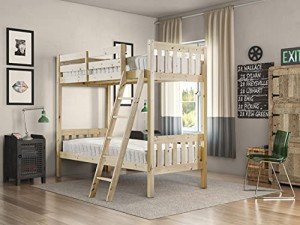
Single metal bunk beds are a cost-effective alternative that offers convenience and comfort to your clients in your behavioral health center. They are designed to be safe and sturdy, with guardrails as well as ladders. They can fit in small spaces. These beds can also be fitted with storage options like shelves or drawers to maximize space in small spaces. These features can help keep your guests organized and give them the space they need to feel at home and comfortable in a small space.
Cost-Effectiveness
Bunk beds can be more affordable than single beds because less beds are required to accommodate the same number of people and thus reducing the initial setup costs. Bunk beds initially are less expensive, but the increased maintenance and replacement costs can offset this over time. Purchasing quality mattresses and regular inspections of structural integrity could reduce the expense of repairs and maintenance in the long run.
The compact design of bunk beds can be advantageous for facilities that have high occupancy situations like rehabilitation centers or youth psychiatric units, by maximizing bed capacity without needing facility expansion. In some instances bunk beds can increase the space's use by up to 25%. But before you buy this type of bed for your space, be sure to assess the space available and ceiling height to ensure safety and comfort for your guests.
Ease in Cleaning and Sanitation
In comparison to bunk beds, single beds are more straightforward and easier to clean and disinfect. This can help to improve hygiene standards and minimize the risk of getting sick. Bunk beds on the other hand are difficult to maintain and clean due to their complex structure. Having access to a proper disinfectant regimen and training for staff can significantly decrease the maintenance and cleaning requirements of bunk beds.
Insufficient Privacy & Storage
One of the biggest drawbacks of bunk beds is that they don't offer the same amount of privacy and personal space as single beds. Some guests may be uncomfortable sharing a space with another person, especially if there are emotional or mental issues that they must address.
Design Flexibility
Bunk beds are great to maximize space in dormitories or shared rooms and their basic design reduces the number of structural components that may fail or break. This helps reduce the cost of maintenance and allows for high hygiene standards, which is especially important in establishments that cater to vulnerable populations. Bunk beds also make it easier for staff to reach patients who are in bed. This reduces the risk of falls which is a major concern for human services programs and facilities for behavioral health.
Single bed bunks also provide more flexibility in the arrangement of rooms, and they can be easily removed to create individual twin beds if necessary. This is a significant feature for behavioral health programs which typically serve a sporadic population and need to accommodate many different guests over the course of. Furthermore, it can save the facility money by reducing the need to purchase futons, cots, or air mattresses for guests.
Single bed bunks can be a great option for vacation homes that are small in size and where design and utility are crucial. This configuration is typically popular with families who can use the lower bunk for kids or teens, while utilizing the upper bunk as an adult-sized bedroom.
Bunk bed setups that separate into single beds are an excellent option for bedrooms for children and sleepovers with family members or friends. It's ideal for maximising space, and also keep children comfortable and happy in the space. However, single beds bunk Bunk Beds Store to take into consideration safety concerns like the need for ladders or steps for climbing up and down the bunks. It's also recommended to add an additional nightlight close to the stairs or ladder to increase the visibility. It is also important to create a safe and secure environment by establishing rules and expectations that make sure kids are not jumping, running up and down the stairs or playing on the top bunk. This will prevent injuries and accidents, particularly when your child is young.
Safety
Bunk beds are a great solution for maximising the space available in bedrooms shared by siblings. But, it is essential to consider safety when choosing the best bunk bed for your child. This involves setting rules, implementing practical measures and establishing practices to ensure that your kids are secure in their bed. This includes making sure that the ladder is secured, letting your children know that the top bunk is not an climbing frame, and avoiding hanging objects on the guardrails.
Bunk beds are a great way to maximize space in summer camps, hostels, schools and dormitories. They are used to stack a mattress on top another. In addition they are a favorite in rehabilitation centers and psychiatric facilities because they allow facilities to accommodate more patients without increasing their footprint. Bunk beds are also ideal for areas that have a limited floor space such as boarding homes and apartment buildings because they provide more sleeping space in less space.
The dangers of falling and entrapment are among the primary safety concerns with bunk beds. To reduce this risk, the slats that support the mattress as well as the frame must be securely attached to the frame of the bed. The gaps between slats should not be more than 7.5cm to stop children from climbing into or getting their arms or legs trapped. Ladders must be attached firmly to the bed, and constructed of sturdy materials.
It's essential to choose the right bunk bed size that will fit the size of your mattress. If you pick one that is too big or too small the bed may not be stable and be prone to collapse or even fall apart. It's also vital to check the guidelines of the manufacturer regarding weight restrictions for both the top and bottom bunks.
It's best to ensure that the room where the bunk bed will be positioned is clean prior to beginning to put it together. This will help you focus and stay clear of distractions that could compromise your safety. Make a list of all the equipment you'll require to complete the task and ensure that they're all present before you begin making the bunk.
Maintenance
Children are notorious for damaging furniture however, the proper care can minimize this issue. As part of the facility's regular maintenance, bunk beds should undergo regular inspections to check for signs of deterioration or damage like loose screws or wood. It is also an excellent idea to tighten the connections that hold your bunk bed together. This can help prevent accidents and injuries as well as prolong the lifespan of your bunk bed.
Regular cleaning of wooden bunk beds is crucial. Dust can easily build up and cause scratches or dull the finish. To prevent this from happening, polish your wood periodically with wax or furniture polish. This will create a protective layer to the wood and will help it maintain its natural beauty for longer.
It's also a good idea to use furniture rubber caps or pads on the legs of each bed. This helps protect the floor from scratches or other damage to the floor. It will also help in moving the beds around in case of need. This is particularly important for hospitals, where beds are often moved when patients move into and out of the rooms.
Avoid placing a bunk bed in direct sunlight. This is because the ultraviolet rays from the sun can cause wood or varnish to degrade in the form of discoloration and cracking. Instead put the bunk bed in a shaded space or drape the room with curtains and blinds when possible to limit exposure.
When making a bunk bed ensure that you adhere to the manufacturer's assembly instructions carefully. It is recommended to arrange all the different parts beforehand and make sure that you have all the tools that are needed. This will ensure that the process runs as smooth as you can and reduces the risk of omitting or misplacing screw while building the bed.
Single bed bunks are a great option for health facilities that have high turnover rates of patients because they are much easier to sanitize than traditional multi-tiered beds. In fact, studies published in the Journal of Hospital Infection have revealed that single-bed bunks can reduce cleaning time by as much as 15%, which can save staff valuable time and money, while also maintaining hygiene levels.